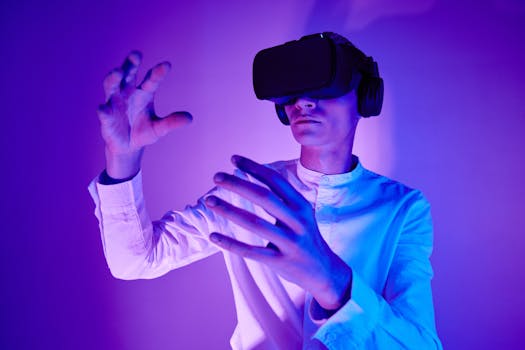
Virtual reality technology, once a futuristic fantasy, is now reshaping various sectors, including the online gambling industry. This advanced technology is enhancing the way users interact with digital gambling platforms, merging the excitement of traditional gambling venues with the comfort and innovation of online play. This article delves into the significant impact of virtual reality on online gambling, examining the benefits, challenges, and future prospects of VR casinos.
How Virtual Reality is Transforming Online Gambling
Virtual reality introduces a fully immersive gambling experience. Users equipped with VR headsets can enter and navigate through a digitally created casino that replicates the feel and atmosphere of a real-life gambling venue. This integration allows players to interact with others, pick up cards, pull slot machine handles, and engage in a range of casino games as if they were physically present in a casino.
.png)
Benefits of Virtual Reality in Online Gambling
Enhanced Player Engagement: VR casinos captivate players by offering them a realistic and interactive environment. This high level of engagement can lead to greater customer retention and satisfaction.
True-to-Life Casino Environment: VR technology excels in simulating the sensory details of a casino environment — from the sound of slot machines to the texture of card tables. This realism attracts players who seek an authentic casino experience without the need to travel.
Heightened Security Measures: Virtual reality casinos can integrate sophisticated security technologies, including facial recognition and biometric verification, to ensure a secure gambling environment. This not only helps in preventing fraud but also enhances user trust.
Cutting-Edge Games and Features: The immersive nature of VR allows for innovative game design beyond the scope of traditional online gambling. Game developers can build complex game worlds and interactive narratives that offer players a unique and engaging experience.
Challenges Facing VR in Online Gambling
Cost Barriers: The expense of VR headsets and the high-end hardware required to run VR applications can be a significant barrier, potentially excluding players who cannot afford such investments.
Technological Demands: Effective virtual reality experiences require not only specialized equipment but also robust software and fast internet connections. These requirements can limit the accessibility of VR casinos to users with adequate technological setups.
Regulatory Hurdles: Navigating the regulatory landscape for VR gambling is complex. As laws vary significantly by jurisdiction, ensuring compliance can be challenging for VR casino operators, potentially hindering the technology's adoption.
Looking Ahead: The Future of VR in Online Gambling
The trajectory for virtual reality in online gambling is poised for growth. As VR technology evolves and becomes more affordable, it will likely become more accessible to a broader audience. Ongoing technological enhancements will further improve the realism and security of VR casinos, making them even more appealing to users.
Conclusion
Virtual reality holds the potential to completely transform the online gambling industry by offering more immersive, interactive, and secure gaming experiences. Although there are hurdles to overcome, particularly in terms of cost and regulation, the advantages of VR in gambling forecast a dynamic future for this technology. As VR continues to advance, it will be intriguing to see how it reshapes the gambling landscape, potentially bringing the casino experience into the comfort of our homes like never before.