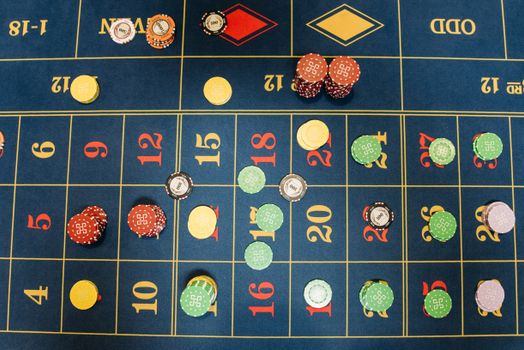
The Psychology of Betting: How Emotions Influence Your Decision-Making in Games
Betting has captivated people for centuries, blending excitement, risk, and the tantalizing hope of winning big. But beneath the surface of odds and statistics lies a powerful force that shapes every wager: human emotion. The psychology of betting goes far beyond simple calculations—our feelings, instincts, and cognitive biases play a key role in how we make decisions during games. Understanding these emotional drivers can help you make more rational choices, avoid common pitfalls, and enjoy a healthier relationship with betting.
Why Emotions Play a Central Role in Betting Decisions
When placing a bet—whether in a casino, at the race track, or online—most people believe they’re acting rationally. However, psychological research shows that emotions are often in the driver’s seat. According to a 2017 study published in the journal "Addiction," emotional states like excitement, stress, and frustration can significantly influence risk-taking behaviors in gamblers. In fact, the global betting industry, worth over $465 billion in 2023, thrives not only on chance but also on the way our brains process wins, losses, and anticipation.
Several emotional triggers commonly impact betting decisions:
.png) - The thrill of winning can produce a rush of dopamine, encouraging riskier bets.
- Losing streaks may trigger frustration, leading to impulsive "chasing" behavior.
- Anxiety or stress can cloud judgment, pushing people to make hasty decisions.
- The thrill of winning can produce a rush of dopamine, encouraging riskier bets.
- Losing streaks may trigger frustration, leading to impulsive "chasing" behavior.
- Anxiety or stress can cloud judgment, pushing people to make hasty decisions.
These emotional responses are not random—they’re wired into how humans handle uncertainty and reward.
The Role of Cognitive Biases in Betting Behavior
Our brains are designed to use shortcuts—called cognitive biases—to make quick decisions. While these mental shortcuts can be helpful in daily life, they often lead to poor choices in betting scenarios. Here are some of the most common cognitive biases that impact betting:
- Gambler’s Fallacy: The mistaken belief that after a series of losses, a win is "due." For example, if a roulette wheel lands on black five times in a row, many believe red is more likely next, when in reality the odds are unchanged. - Confirmation Bias: The tendency to seek out information that supports our existing beliefs, while ignoring contradictory data. A sports fan might overestimate their team’s chance of winning based on loyalty rather than performance stats. - Illusion of Control: Many bettors believe their skill or strategy can influence outcomes in games of pure chance, such as slot machines or lotteries.A landmark study by Griffiths and Delfabbro (2001) found that these biases are prevalent among both novice and experienced gamblers. The more emotionally invested a person is, the more likely they are to fall for these cognitive traps.
How Wins and Losses Shape Emotional Responses
Emotions run high in both victory and defeat, and the psychological effects of wins and losses can create powerful feedback loops. Winning generates excitement and satisfaction, often leading to increased confidence and risk-taking. Conversely, losing can cause frustration, anger, or despair—emotions that frequently drive people to "chase" their losses by betting more in an attempt to recover.
Consider the following data from a 2022 survey by the UK Gambling Commission:
- 37% of regular bettors admitted to increasing bet sizes after a losing streak. - 22% reported feeling a "rush" that made them want to bet again immediately after a win. - Only 9% said they stuck to their planned budgets regardless of outcome.These numbers illustrate how emotional highs and lows can override logical planning. The same psychological mechanisms are at play in both amateur and professional betting circles.
Comparing Rational and Emotional Decision-Making in Betting
To better understand how emotions influence betting decisions, let’s compare the characteristics of rational (logic-based) and emotional (feeling-based) approaches. The table below highlights key differences:
| Aspect | Rational Decision-Making | Emotional Decision-Making |
|---|---|---|
| Basis for Choices | Analysis of odds, statistics, and strategies | Reactions to wins, losses, or gut feelings |
| Risk Assessment | Calculates potential losses and gains | May underestimate or ignore risks |
| Response to Losses | Adjusts strategy or takes a break | Chases losses or bets impulsively |
| Long-Term Outcome | More consistent, sustainable betting | Greater likelihood of large, unexpected losses |
This comparison underscores that while emotions are natural, letting them dominate your betting decisions often leads to less favorable outcomes.
The Impact of Social and Environmental Factors
Betting rarely happens in a vacuum—social and environmental cues heavily influence our emotional state and decision-making. For example, studies have shown that being in a loud, energetic casino environment can elevate adrenaline and impulsivity. Peer pressure is another powerful factor; when friends or fellow bettors cheer on risky bets, individuals are more likely to take chances they otherwise wouldn’t.
A 2020 study by the National Council on Problem Gambling found that:
- 45% of respondents felt more inclined to bet when surrounded by friends. - 31% said they felt pressure to "keep up" with others’ bets.Online betting platforms also use psychological tactics, such as flashing lights, celebratory sounds, and instant notifications, to keep users emotionally engaged. These stimuli can make it harder for bettors to recognize when their decision-making is being swayed by feelings rather than facts.
Strategies for Managing Emotions and Improving Betting Decisions
While it’s impossible to eliminate emotions from betting, there are proven strategies to help you keep them in check and make more balanced decisions:
1. Set Clear Limits: Decide on a betting budget before you start and stick to it, regardless of wins or losses. 2. Take Regular Breaks: Stepping away from the game allows emotions to cool and helps you reset your perspective. 3. Keep a Betting Journal: Recording your bets, emotions, and outcomes can help you recognize patterns and emotional triggers. 4. Practice Mindfulness: Simple mindfulness techniques, such as deep breathing or focusing on the present moment, can reduce impulsivity. 5. Seek Support: If you find it difficult to control emotional betting, consider reaching out to a support group or mental health professional.Professional bettors often use these strategies to maintain discipline and avoid the pitfalls of emotional decision-making.
Final Thoughts: Achieving Balance Between Emotion and Logic in Betting
The psychology of betting reveals that emotions are an inseparable part of the decision-making process. While the excitement and anticipation of betting can be enjoyable, unchecked emotions can lead to risky behaviors and significant losses. By understanding the ways emotions influence your choices—especially when it comes to cognitive biases, social pressure, and the highs and lows of wins and losses—you can develop healthier habits and make more informed betting decisions.
Ultimately, betting should be a source of entertainment, not stress or regret. By balancing emotion with logic, setting clear boundaries, and recognizing your emotional triggers, you’ll be better equipped to enjoy betting responsibly and sustainably.