Understanding the House Edge in Online Casino Games: What Every Player Should Know
Online casino gaming is booming, with global revenues expected to surpass $100 billion by 2026. As more players flock to virtual tables and slots, a critical concept underpins every spin, roll, or card dealt: the house edge. Whether you’re a seasoned gambler or a casual player, understanding the house edge is fundamental to making informed choices and enjoying your casino experience responsibly. In this comprehensive guide, we’ll break down what the house edge is, how it varies across popular games, its impact on your long-term results, and how you can use this knowledge to maximize your fun—and your chances.
What is the House Edge? The Core Principle in Online Casino Games
The “house edge” is the mathematical advantage that a casino holds over its players in any given game. Expressed as a percentage, it represents the average amount the casino expects to win from each bet over time. For example, if a game has a house edge of 2%, the casino expects to keep $2 for every $100 wagered, in the long run.
This edge is not a guarantee for any single session or player, but rather a statistical average calculated over thousands or millions of bets. It’s how casinos, both online and brick-and-mortar, ensure profitability while offering the possibility of big wins to players.
.png) Key facts about the house edge:
- It’s built into every casino game through the rules and payout structures.
- The house edge varies widely between different games and even variants of the same game.
- It’s not meant to “cheat” players but to keep the casino in business while offering entertainment.
Key facts about the house edge:
- It’s built into every casino game through the rules and payout structures.
- The house edge varies widely between different games and even variants of the same game.
- It’s not meant to “cheat” players but to keep the casino in business while offering entertainment.
How the House Edge is Calculated: Behind the Numbers
Understanding how the house edge is determined requires a look at the mechanics of each game. Let’s take roulette as an example:
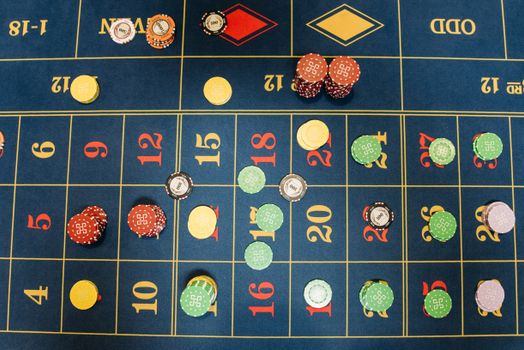
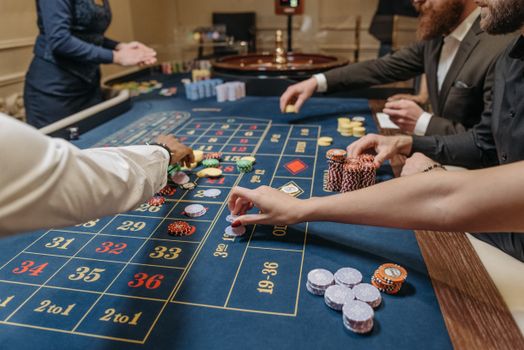
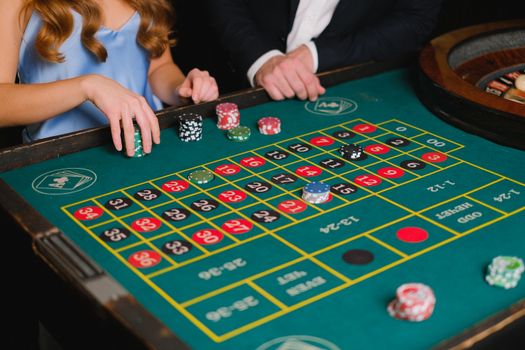
In European roulette, there are 37 pockets (1-36 and a single 0). If you bet $1 on a single number, the payout is 35:1. The actual odds of hitting your number are 1 in 37. If the casino paid out at true odds (36:1), there would be no house edge. However, because the payout is less than the true odds, the house retains a mathematical advantage.
The calculation for roulette’s house edge: - Probability of a win: 1/37 = 2.70% - Probability of a loss: 36/37 = 97.30% - Expected return: (1/37 x $36) + (36/37 x -$1) = -$0.027 per $1 bet - House edge: 2.7%This principle applies to all games. In blackjack, the house edge comes from rules like the dealer acting last. In slot machines, it’s programmed into the payout percentages (Return to Player, or RTP).
Comparing House Edges: Which Online Casino Games Offer the Best Odds?
Not all games are created equal when it comes to the house edge. Some offer players a better chance of winning over time, while others favor the casino more heavily. The table below provides a comparison of typical house edges for popular online casino games:
| Game | Typical House Edge (%) | Best-Case Scenario (with Optimal Play) |
|---|---|---|
| Blackjack | 0.5% - 2% | 0.5% (using perfect basic strategy) |
| Baccarat | 1.06% (banker bet) | 1.06% (banker bet) |
| European Roulette | 2.7% | 2.7% |
| American Roulette | 5.26% | 5.26% |
| Slots | 2% - 15% | 2% (high RTP slots) |
| Craps | 0% - 16.67% | 0% (odds bet), 1.41% (pass line) |
| Video Poker | 0.5% - 5% | 0.46% (full-pay Jacks or Better) |
As the table shows, games like blackjack and certain video poker variants can have a house edge below 1% when played optimally. Slots and games with side bets, by contrast, often have much higher edges.
The Impact of the House Edge on Your Winnings Over Time
The house edge is not a prediction of what you’ll lose in a single session, but it becomes increasingly accurate as you play more bets. The concept of “expected loss” helps illustrate this:
Expected Loss = Total Amount Bet x House Edge
For example, if you play $500 worth of bets on a slot machine with a house edge of 5%, your expected loss is: $500 x 0.05 = $25
This means that, on average, you’ll lose $25 over the long run. Short-term results can vary widely due to luck, but the more you play, the closer your actual results will approach the statistical average. This is why the house always wins in the end—but it’s also what makes the occasional big win so exciting for players.
Interesting statistics: - In 2022, the average payout rate (RTP) for online slots globally was 96%, equating to a 4% house edge. - Blackjack’s house edge can jump from 0.5% to over 2% if players don’t use basic strategy.House Edge Versus Return to Player (RTP): Clearing the Confusion
You may have encountered the term “Return to Player” (RTP) in online casinos, especially for slots and video poker. RTP is the inverse of the house edge and represents the percentage of all wagered money that a game is expected to pay back to players over time.
- RTP + House Edge = 100% - If a slot has an RTP of 96%, its house edge is 4%. Understanding the distinction: - House Edge: What the casino expects to keep. - RTP: What the player can expect to receive in returns, on average.Online casinos are required in many jurisdictions to publish RTP figures for their games, providing transparency for players. However, these are long-term averages—not guarantees for any individual session.
Strategies for Minimizing the House Edge and Maximizing Your Play
While you can’t eliminate the house edge, you can make choices that minimize it and stretch your bankroll further. Here’s how:
1. Choose Low-Edge Games: Selecting games with a low house edge, like blackjack or baccarat, improves your odds. 2. Learn Optimal Strategy: For games of skill (e.g., blackjack, video poker), using basic strategy reduces the house edge significantly. For example, in blackjack, perfect basic strategy can bring the edge down to just 0.5%. 3. Avoid High-Edge Bets: Many games offer side bets or variants with steeper house edges. For instance, the “five number bet” in American roulette has a 7.89% house edge—much higher than standard bets. 4. Manage Your Bankroll: Set limits and stick to them. The house edge means that prolonged play favors the casino, so managing your bankroll lets you play longer and have more fun. 5. Use Bonuses Wisely: While bonuses can extend your playtime, always check their wagering requirements, as these can impact your true odds.Example: If you play 1,000 hands of blackjack at $5 per hand, that’s $5,000 wagered. With a 0.5% house edge, your expected loss is $25—much lower than if you played the same amount on slots with a 10% edge ($500 expected loss).
Psychology of the House Edge: Why Players Still Love to Play
Despite knowing that the odds favor the house in the long run, millions of people enjoy online casino games every day. Why?
1. Entertainment Value: The excitement, suspense, and social elements of casino games provide value beyond financial returns. 2. The Chance of Big Wins: Even with a house edge, players can and do win big in the short term. Progressive jackpots, for example, have produced instant millionaires. 3. The Illusion of Control: Games like blackjack and video poker offer skill elements, giving players a sense of agency. 4. Variance and Luck: The randomness of outcomes means every spin or hand could be a winner—fueling hope and engagement.A 2021 survey found that 67% of online casino players cite “fun and excitement” as their primary motivation, while only 14% play primarily to make money.
Final Thoughts: Making the House Edge Work for You
Understanding the house edge empowers you to make smarter choices when playing online casino games. While it’s impossible to beat the house in the long term without extraordinary luck or skill, you can select games and strategies that maximize your enjoyment and stretch your dollar. Always remember: the house edge is not an enemy, but a fact of casino life—one that supports the entertainment value millions of players seek.
By prioritizing games with lower house edges, using optimal strategies, and staying informed, you can enjoy online casinos responsibly and get the most out of your gaming experience.